
Bausch Lomb’s guide streamlines fitting ULTRA Multifocal for Astigmatism lenses, addressing both astigmatism and presbyopia with a focus on comfort and clear vision at all distances․

Bausch + Lomb ULTRA Multifocal for Astigmatism represents a significant advancement in contact lens technology, specifically designed for individuals experiencing both presbyopia and astigmatism․ These monthly disposable lenses aim to deliver exceptional vision correction and all-day comfort, addressing the unique challenges posed by these combined refractive errors․
Traditionally, managing both conditions simultaneously required compromises, often resulting in suboptimal vision or reduced comfort․ ULTRA Multifocal for Astigmatism overcomes these limitations through its innovative 3-Zone Progressive Design and the inherent benefits of silicone hydrogel material․ This combination provides a seamless transition between distance, intermediate, and near vision, while maintaining high oxygen permeability for healthy, hydrated eyes․
Furthermore, the lens boasts MoistureSeal Technology, enhancing hydration and minimizing dryness throughout the day․ Notably, it’s the first of its kind available for same-day fitting, offering practitioners and patients a more efficient and convenient experience․ This guide will detail the process of successfully fitting these lenses, ensuring optimal visual outcomes and patient satisfaction․
Understanding Astigmatism and Presbyopia

Astigmatism arises from an irregularly shaped cornea, causing blurred vision at all distances․ Light rays focus at multiple points instead of a single point on the retina․ This distortion impacts clarity, often requiring toric contact lenses for correction․ Simultaneously, presbyopia, a natural age-related process, reduces the eye’s ability to focus on near objects, typically beginning around age 40․

The lens’s flexibility diminishes, making close-up tasks like reading increasingly difficult․ Traditionally, presbyopia is corrected with reading glasses or bifocals․ However, when combined with astigmatism, the visual needs become more complex․ Patients require correction for both irregular corneal shape and age-related loss of accommodation․
ULTRA Multifocal for Astigmatism addresses this dual need by incorporating a toric design to correct astigmatism alongside a multifocal design to manage presbyopia․ The 3-Zone Progressive Design provides a smooth transition between viewing distances, offering clear vision without the compromises often associated with separate corrections․
Benefits of Silicone Hydrogel Material
ULTRA Multifocal for Astigmatism lenses are crafted from silicone hydrogel, a revolutionary material in contact lens technology․ Unlike traditional hydrogel lenses, silicone hydrogel boasts significantly higher oxygen permeability (Dk/t)․ This crucial property allows a greater amount of oxygen to reach the cornea, promoting healthier, more comfortable wear․
The cornea relies on atmospheric oxygen for respiration, especially when closed during sleep․ Reduced oxygen flow can lead to corneal hypoxia, causing discomfort, redness, and potentially long-term complications․ Silicone hydrogel minimizes these risks, supporting optimal corneal health even with extended wear․
This enhanced breathability translates to increased lens comfort, particularly for patients with astigmatism who may experience dryness․ MoistureSeal Technology, combined with the silicone hydrogel, further retains moisture within the lens, ensuring all-day hydration and reducing end-of-day discomfort․ This material is ideal for individuals seeking both visual correction and ocular well-being․
MoistureSeal Technology and Comfort
Bausch + Lomb’s MoistureSeal Technology is integral to the exceptional comfort profile of ULTRA Multifocal for Astigmatism lenses․ This innovative system incorporates a unique wetting agent within the lens material itself, rather than relying solely on surface treatments․ This internal moisture retention mechanism ensures consistent hydration throughout the entire wear day․
The technology creates a stable, hydrated cushion against the cornea, minimizing friction and reducing dryness-related discomfort․ This is particularly beneficial for astigmatic patients, who may be more prone to dryness due to lens movement and corneal distortion․ The result is a smoother, more natural wearing experience․
MoistureSeal works synergistically with the silicone hydrogel material, maximizing oxygen permeability and moisture retention․ This dual action promotes healthier eyes and sustained comfort, even in challenging environments or for extended periods of wear, offering a superior solution for presbyopic astigmats․
Lens Design: 3-Zone Progressive Design
ULTRA Multifocal for Astigmatism utilizes a groundbreaking 3-Zone Progressive Design, meticulously engineered to provide seamless vision correction at all distances – far, intermediate, and near․ Unlike traditional multifocal lenses with abrupt transitions, this design features smooth, progressive power changes across the lens surface․
The central zone is optimized for distance vision, while the intermediate zone supports clear vision at arm’s length, ideal for computer use․ The peripheral zone is dedicated to near vision, facilitating comfortable reading and close-up tasks․ This progressive approach minimizes the visual disturbances often associated with multifocal contact lenses․
Combined with the toric design for astigmatism correction, the 3-Zone Progressive system delivers stable, high-quality vision․ It allows for a wider range of prescriptions and provides a more natural visual experience, catering to the diverse visual needs of presbyopic patients with astigmatism․

High Add Power Options
ULTRA Multifocal for Astigmatism recognizes the diverse needs of presbyopic patients and offers a comprehensive range of High Add power options․ These lenses are specifically designed to address higher addition needs, often experienced by individuals with more significant presbyopia or those requiring substantial near vision correction․
The availability of these higher add powers expands the candidacy pool for ULTRA Multifocal for Astigmatism, allowing more patients to benefit from its advanced technology․ This ensures practitioners can effectively fit a wider spectrum of prescriptions, providing customized vision solutions․
Offering these options demonstrates a commitment to patient satisfaction and visual comfort․ By catering to higher add power requirements, Bausch + Lomb empowers patients to enjoy clear vision at all distances, enhancing their daily lives and reducing reliance on reading glasses․ This feature is a key differentiator for the lens․
Same-Day Fitting Capability
ULTRA Multifocal for Astigmatism stands out as the first and only lens of its kind offering true same-day fitting capability․ This revolutionary feature significantly streamlines the contact lens fitting process, benefiting both practitioners and patients alike․
Traditionally, multifocal astigmatism lenses required multiple visits for refinement․ However, the unique design of ULTRA Multifocal, combining a 3-Zone progressive design with toric correction, allows for a highly predictable fit, often achievable during the initial appointment․
This expedited process enhances patient convenience and satisfaction, reducing chair time and minimizing disruption to their schedules․ Practitioners can efficiently assess fit and vision, confirm axis orientation, and dispense lenses – all in a single visit․ This capability represents a significant advancement in contact lens technology, improving practice efficiency and patient care․

Patient Selection Criteria
Successful ULTRA Multifocal for Astigmatism fitting begins with careful patient selection․ Ideal candidates exhibit both astigmatism and presbyopia, experiencing difficulty with clear vision at multiple distances․ A stable refraction is crucial; changes should be minimal over the past year to ensure consistent lens performance․
Patients should demonstrate sufficient motivation and dexterity for proper lens handling and care․ Those with certain ocular surface diseases, such as severe dry eye, may require pre-fitting treatment to optimize comfort and lens adaptation․
Consider lifestyle factors; active individuals or those with visually demanding occupations may particularly benefit from the continuous vision offered by these lenses․ A thorough understanding of patient expectations is vital – discuss the potential for adaptation and the importance of consistent wear to achieve optimal results․ Careful screening maximizes fitting success and patient satisfaction․
Comprehensive Eye Examination

A comprehensive eye examination is foundational for successful ULTRA Multifocal for Astigmatism fitting․ This begins with a detailed patient history, including symptoms, lifestyle, and previous contact lens wear․ Assess ocular health thoroughly, evaluating tear film quality and quantity, corneal topography, and conjunctival health․
Pupil size measurements in varying light conditions are important, as they influence lens design selection․ A cycloplegic refraction is recommended to neutralize accommodation and obtain an accurate refractive error․ Evaluate binocular vision function, including phoria and fusional ranges, to identify any underlying issues that may impact lens adaptation․
Confirm the patient’s overall systemic health, noting any conditions that could affect contact lens wear․ Document all findings meticulously to inform lens selection and fitting decisions, ensuring optimal visual outcomes and patient comfort․
Refraction and Add Power Determination
Accurate refraction is crucial for ULTRA Multifocal for Astigmatism success․ Begin with a thorough subjective refraction, refining the spherical, cylindrical, and axis values․ Monocular and binocular refraction techniques should be employed to determine the best correction․
Add power determination requires careful consideration․ Utilize a dynamic retinoscopy or subjective add power refinement technique to establish the appropriate addition for near vision․ Consider the patient’s near working distance and visual demands․
Trial frame refraction with progressive addition lenses can help simulate the multifocal experience․ Confirm the add power provides comfortable and clear near vision without compromising distance acuity․ Document the final refraction and add power precisely, as these values will guide the initial trial lens selection․
Trial Lens Fitting Process
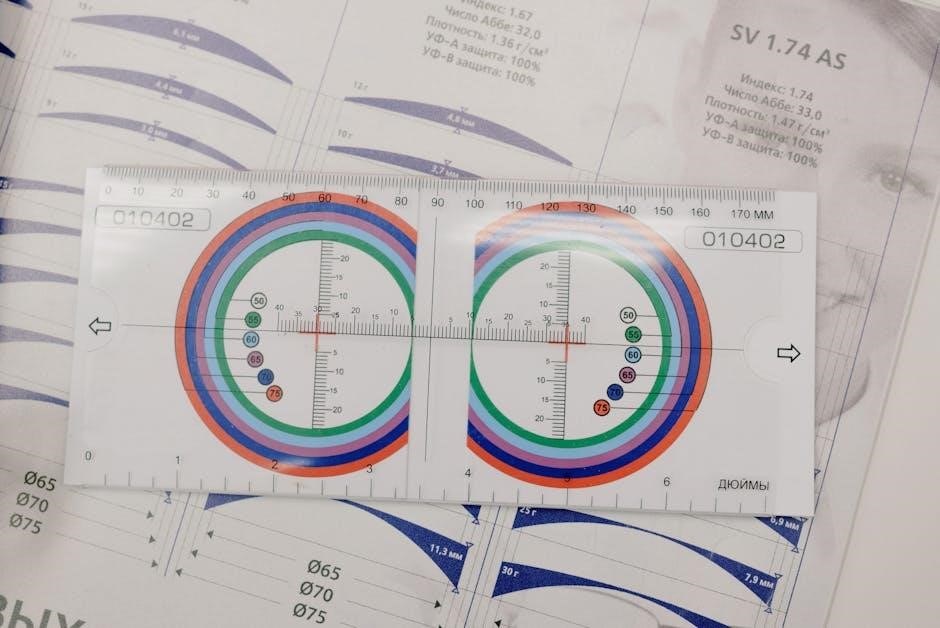
Initiate the trial lens fitting with ULTRA Multifocal for Astigmatism lenses based on the refraction and add power determined previously․ Begin with the dominant eye, selecting a lens with the prescribed parameters․ Ensure proper handling and insertion techniques are demonstrated to the patient․

Allow sufficient adaptation time – typically 10-15 minutes – before evaluating vision․ Assess distance vision at normal room illumination, noting visual acuity and clarity․ Then, evaluate near vision at the patient’s typical working distance, again assessing acuity and comfort․
Encourage the patient to articulate any visual disturbances, such as halos, glare, or blurriness․ Repeat the process with the non-dominant eye, carefully comparing vision between both eyes․ Before assessing fit and vision, confirm axis orientation․
Confirming Axis Orientation
Confirming axis orientation is crucial for optimal vision with ULTRA Multifocal for Astigmatism․ After lens insertion, carefully evaluate the lens position on the cornea․ Utilize a lens viewing dye to clearly visualize the lens and its alignment with the patient’s astigmatic axis․
Observe for any rotation or displacement of the lens․ If rotation exceeds a few degrees, consider adjusting the lens parameters or exploring alternative designs․ Patient feedback is invaluable; ask about any perceived distortion or blurriness, which could indicate misalignment․
Proper axis alignment ensures stable vision and minimizes astigmatic aberrations․ Before assessing fit and vision, verify the lens is centered and stable on the eye․ Accurate axis confirmation is a foundational step for successful lens fitting and patient satisfaction․
Binocular Vision Evaluation – Distance
Binocular vision evaluation at distance is a critical step in the ULTRA Multifocal for Astigmatism fitting process; Assess visual acuity with both eyes open, using a standard distance chart․ Evaluate for clarity, sharpness, and any reports of distortion or shadowing․
Check for phoria and tropia at distance, utilizing cover testing․ Observe the patient’s eye movements and alignment․ Assess fusion ranges to ensure adequate binocular function․ Any significant imbalances should be addressed before proceeding․
Evaluate the patient’s subjective experience, asking about comfort and ease of vision․ Evaluate distance and near vision binocularly in normal room illumination․ Confirm that distance vision is clear and stable with the trial lenses in place, paving the way for near vision assessment․
Binocular Vision Evaluation – Near
Following distance evaluation, binocular vision assessment at near is essential with ULTRA Multifocal for Astigmatism․ Utilize a near vision chart, positioned at a comfortable reading distance (typically 14-16 inches)․ Assess visual acuity with both eyes open, noting any fluctuations or complaints․
Repeat cover testing to evaluate phoria and tropia at near․ Pay close attention to convergence and divergence movements․ Assess near point of convergence (NPC) and fusional vergences to gauge the patient’s ability to maintain single binocular vision during near tasks․
Evaluate distance and near vision binocularly in normal room illumination․ Inquire about reading comfort, clarity, and any experienced eye strain․ Successful near vision indicates the 3-Zone Progressive Design is effectively addressing presbyopic needs․
Troubleshooting Common Fitting Issues
Despite careful fitting, challenges can arise with ULTRA Multifocal for Astigmatism․ Blur at distance or near often indicates incorrect add power; consider a slight adjustment․ Axis misalignment can cause astigmatic blur – re-evaluate refraction and lens orientation․
Rotation issues may necessitate a different base curve or toric lens design․ If patients report fluctuating vision, assess lid tightness and dry eye․ Haloes or glare could signal over-minus or incorrect add power․
Before assessing fit and vision, confirm proper centration․ If discomfort persists, rule out corneal irregularities․ Remind patients of proper lens care and hygiene․ A follow-up exam within 12 weeks is crucial for refining the fit and addressing any lingering concerns․
Follow-Up Examination Schedule (12 Weeks)
A structured follow-up schedule is vital for optimizing ULTRA Multifocal for Astigmatism success․ Initial check (1-2 weeks): assess comfort, vision quality (distance & near), and lens centration․ Address any immediate concerns regarding adaptation or clarity․
Intermediate visit (4-6 weeks): evaluate binocular vision, refraction stability, and lens rotation․ Refine add power if needed, based on patient feedback and objective measurements․ Confirm axis orientation remains stable․
Final assessment (12 weeks): comprehensive evaluation of overall visual performance, comfort, and lens fit․ Verify patient satisfaction and reinforce proper lens care․ Dispense lenses and document all findings․ This schedule ensures optimal vision and minimizes potential complications, maximizing the benefits of these advanced lenses․
Lens Care and Hygiene Recommendations
Maintaining optimal hygiene is crucial when using ULTRA Multifocal for Astigmatism lenses․ Always wash and dry hands thoroughly before handling lenses to prevent contamination․ Use only recommended multipurpose solutions – never water or saline․
Clean lenses immediately after removal to prevent deposit buildup․ Rub and rinse thoroughly, even with “no-rub” solutions, to ensure effective cleaning․ Store lenses in a clean case filled with fresh solution; never reuse solution․
Replace the lens case every three months․ Consider lubricating eye drops, as approved by your eye doctor, for enhanced comfort; Regular adherence to these guidelines promotes eye health, prevents infections, and extends the lifespan of your ULTRA Multifocal lenses․
Potential Complications and Management
While ULTRA Multifocal for Astigmatism lenses are designed for comfort and safety, potential complications can occur․ These include corneal inflammation, infection, dryness, and discomfort․ Immediate removal and consultation with an eye care professional are vital if you experience redness, pain, blurred vision, or excessive tearing․
Poor lens hygiene significantly increases infection risk․ Corneal abrasions can occur during insertion or removal; proper technique is essential․ Dry eye symptoms may necessitate artificial tears or a change in lens wearing schedule․
Regular follow-up appointments allow for early detection and management of any issues․ Promptly address any concerns with your eye doctor to maintain optimal eye health and continued successful lens wear with ULTRA Multifocal․
Ordering and Availability Information
Bausch + Lomb ULTRA Multifocal for Astigmatism lenses are available in a comprehensive range of parameters to facilitate optimal fitting․ This includes sphere powers, cylinder corrections, and add powers designed to address a wide spectrum of presbyopic and astigmatic needs․
Practitioners can order lenses through authorized Bausch + Lomb distributors and online ordering portals․ Detailed ordering information, including available parameters and pricing, is accessible through professional resources on the Bausch + Lomb website․
Availability may vary depending on location and distributor stock․ Contact your preferred distributor for current lead times and to confirm parameter availability․ Ensure accurate prescription details are submitted to guarantee correct lens fabrication and patient satisfaction․
Be First to Comment