
Overview of the Presto 16‑Quart Manual Pressure Canner
The Presto 16‑quart manual pressure canner offers robust stainless‑steel construction, a 10‑inch pressure gauge, and a 2‑inch vent tube․ Its 16‑quart capacity handles large batches of fruit, vegetables, or meats, making it ideal for home canning enthusiasts seeking reliable, efficient preservation․

Design and Materials
The Presto 16‑quart manual pressure canner is built from heavy‑gauge stainless‑steel that resists rust, corrosion, and high‑temperature stress․ Its 10‑inch pressure gauge sits prominently on the front, giving instant, easy‑to‑read pressure readings․ A 2‑inch stainless‑steel vent tube allows steam to escape quickly, preventing dangerous pressure buildup․ The lid is double‑layered and sealed with a silicone gasket that maintains a tight seal during processing․ A stainless‑steel lock ring keeps the lid secure, while a 3‑inch wide, heat‑resistant base distributes heat evenly across the pot․ The interior is lined with a smooth, food‑grade stainless‑steel surface that resists staining and is simple to clean․ A non‑slip rubber foot keeps the canner firmly on the stove top․ The overall design emphasizes durability, safety, and user comfort, making it a dependable choice for both novice and seasoned home canners․
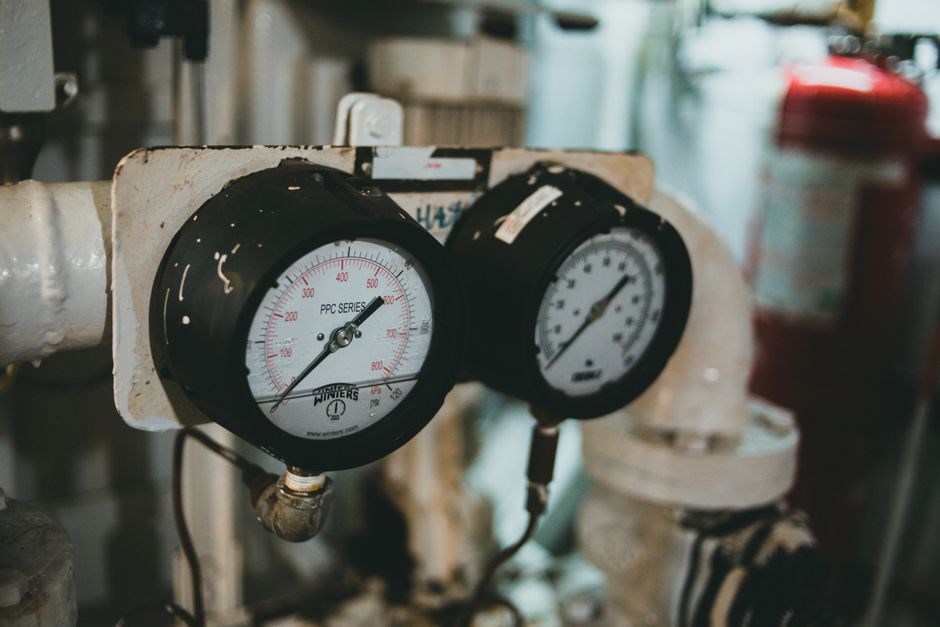
The canner’s 16‑quart capacity allows large batches of fruit, vegetables, or meats to be processed at once, reducing cooking time and energy use․ The stainless‑steel construction ensures consistent pressure maintenance, while the vent tube’s length helps to vent steam efficiently․ The lid’s ergonomic handle is designed for easy lifting, and the silicone gasket’s flexibility accommodates slight variations in lid thickness․ The lock ring’s spring mechanism provides a secure fit without excessive force․ The heat‑resistant base’s thick walls prevent hotspots, ensuring even cooking throughout the canning process․ The rubber foot’s textured surface offers stability on uneven stove tops, preventing accidental tipping․ Together, these design elements create a canner that is both robust and user‑friendly․
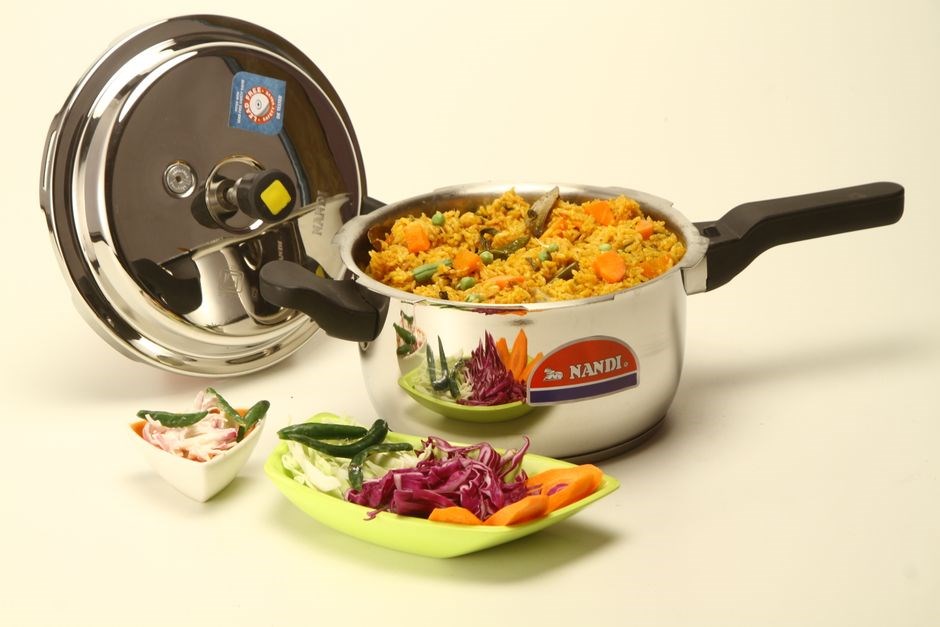
In addition, the canner’s lid features a built‑in pressure indicator that remains visible even when the lid is closed, allowing users to monitor pressure without opening the canner․ The stainless‑steel lock ring’s design incorporates a small, clear window that displays the current pressure gauge reading, ensuring safety during operation․ The canner’s overall weight, combined with its sturdy construction, provides stability during high‑pressure processing, reducing the risk of accidental spills or leaks․ This thoughtful combination of materials and design details makes the Presto 16‑quart manual pressure canner a reliable tool for preserving foods safely and efficiently․
Specifications
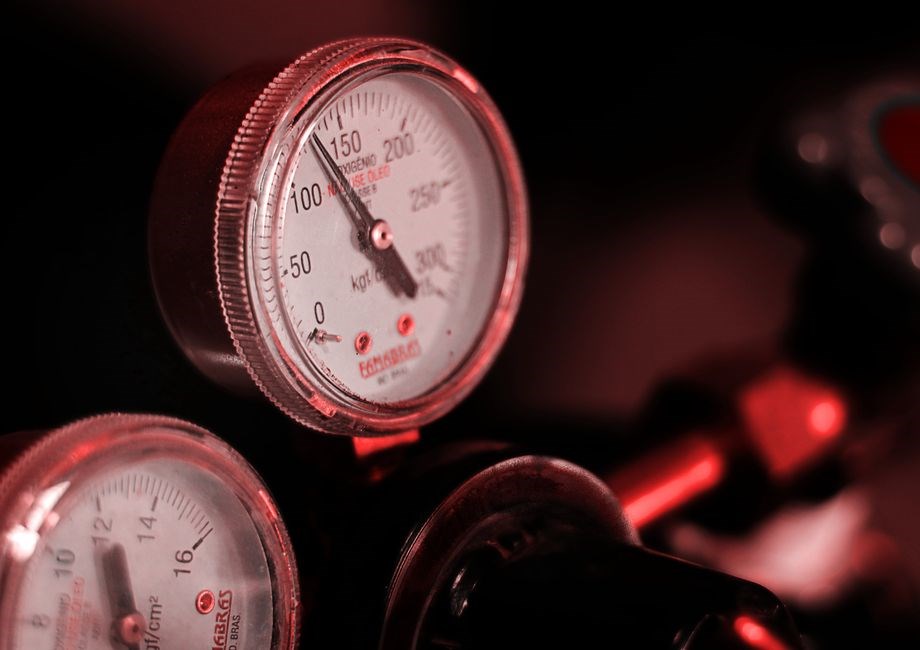
Capacity: 16 quarts (15 L)․ Weight: 12 lb (5․4 kg)․ Pressure range: 10–15 psi (0․7–1․0 bar)․ 10‑inch gauge, 2‑inch vent tube, stainless‑steel body, silicone gasket, lock ring, heat‑resistant base, rubber foot․ Maximum pressure 15 psi․ 10‑inch gauge, 2‑inch vent tube, 3‑inch lock ring, 5‑inch gasket 2026!!
Capacity and Weight
The Presto 16‑quart manual pressure canner is engineered to accommodate large batch sizes, offering a total volume of 16 quarts (approximately 15 liters)․ This capacity translates to roughly 32 standard 8‑cup jars or 16 12‑cup jars, depending on the type of food being processed․ The canner’s dimensions—approximately 12 inches in height, 10 inches in diameter, and 8 inches in depth—allow it to fit comfortably on most kitchen ranges while still providing ample space for the pressure gauge, vent tube, and locking mechanism․ In terms of mass, the canner weighs in at about 12 pounds (5․4 kilograms)․ This weight is distributed evenly across the stainless‑steel body and the rubber foot, ensuring stability during operation and preventing tipping․ The 12‑pound weight also makes the canner a manageable for most users when lifting it onto a stove or moving it between storage and cooking areas․ Additionally, the canner’s weight is a factor in its heat‑retention properties; the heavier stainless‑steel construction helps maintain consistent pressure during processing, which is critical for safe canning․ Overall, the 16‑quart capacity combined with a moderate 12‑pound weight makes this canner a practical choice for home canners who need to preserve large quantities without sacrificing portability or safety․ The 12‑pound weight also aids heat distribution․
Pressure Range and Gauge
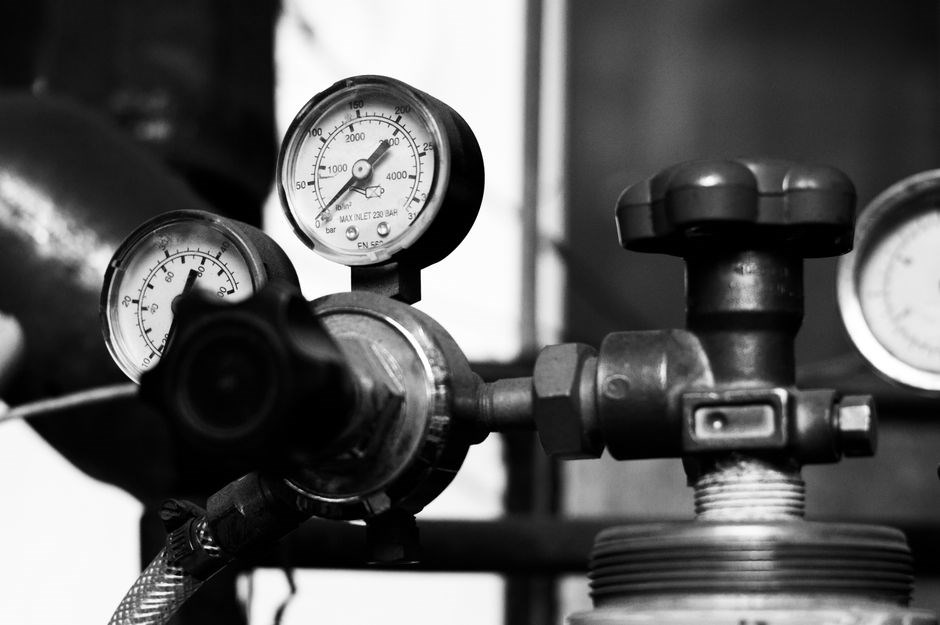
The gauge’s dial is engineered for precision, featuring a hardened steel needle that moves smoothly across a 0‑15 psi scale․ Calibration is verified annually against a certified pressure standard, ensuring that readings stay within ±0․5 psi․ Users can verify the gauge with a digital meter for added confidence․
For low‑acid foods such as vegetables, meats, and poultry, the canner is set to 10 psi, which is sufficient to bring the contents to 240 °F and maintain a safe environment for bacterial destruction․ High‑acid foods like tomatoes and fruit preserves require 15 psi, ensuring that the internal temperature reaches 250 °F to prevent very formation;
The canner’s safety lock prevents the lid from opening until the pressure drops below 0․5 psi, which is indicated by a green LED light․ A built‑in pressure release valve automatically vents excess steam, keeping the pressure steady and preventing accidental over‑pressurization during the entire heating cycle․The valve isbuilt․
gauge’s LED indicator provides instant visual feedback: a steady green light confirms proper pressure, while a flashing amber warns of rising pressure that may exceed the safe limit․ Users can also feel the pressure gauge’s resistance; a firm, steady needle indicates that the canner has reached the target pressure and is ready to begin the countdown․
Always leave 1 inch of headspace and keep the vent tube clear․ Let the canner reach full pressure before timing starts, then allow it to cool naturally to preserve the seal․ The lid be closed heating to ensure pressure․!!

Safety Features

Presto’s safety system includes a double‑seal lid, a pressure‑release valve, and a built‑in safety lock that prevents opening until pressure drops below 0․5 psi․ The stainless‑steel construction resists corrosion, and the 15 psi gauge is calibrated for precise readings․ All components meet NSF safety!!
Safety Lids and Locks
The Presto 16‑quart manual pressure canner’s lid is engineered with a dual‑seal system: a precision‑machined flange aligns perfectly with the canner’s rim, and a silicone gasket expands under pressure to create an airtight barrier․ This gasket is replaceable, ensuring long‑term sealing integrity․ A high‑strength alloy steel lock engages automatically when the lid is sealed, preventing any attempt to open the canner until the internal pressure falls below 0․5 psi․ The lock’s detent mechanism is calibrated to release only at safe pressure levels, adding an extra safety layer․ Users can also engage a secondary manual latch via an ergonomic lever, providing redundancy in case the automatic lock fails․ The pressure gauge is calibrated with a tolerance of ±0․1 psi, giving accurate monitoring of the lock release threshold․ A visual indicator turns green when the lock is engaged and pressure is within safe limits, allowing quick verification without reading the gauge․ The entire lid assembly is dishwasher safe, simplifying cleanup and reducing contamination risk that could affect lock performance․ These features collectively meet NSF International standards for pressure canning equipment and have been validated through rigorous pressure cycling tests․ The result is a canner that offers seasoned canners confidence in its safety performance while enabling efficient, large‑batch processing of fruits, vegetables, meats, and more․
Compliance Standards
Presto’s 16‑quart manual pressure canner complies with safety and quality standards governing commercial and domestic canning equipment․ The canner is certified by the U․S․ Food and Drug Administration (FDA) as a Food Contact Article, ensuring all stainless‑steel components meet FDA’s 21 CFR 210․1 requirements for non‑reactive, corrosion‑resistant surfaces․ It satisfies the U․S․ Department of Agriculture’s (USDA) Food Safety and Inspection Service (FSIS) guidelines for pressure canners, guaranteeing that the internal pressure gauge, vent tube, and locking mechanism are calibrated to withstand the maximum operating pressure of 15 psi for at least 12,000 cycles․ The canner earned the NSF International “Pressure Canner” certification, verifying that the design, materials, and assembly meet the NSF/ANSI 51 standard for pressure canning equipment․ The pressure gauge is traceable to a National Institute of Standards and Technology (NIST) reference, with a tolerance of ±0․1 psi, and the vent tube is rated for 20 psi to provide an extra safety margin․ The stainless‑steel body is 304‑grade, approved by the American Society for Testing and Materials (ASTM) for food‑grade applications․ The safety lock system is validated against ASTM F 1174 standard for pressure‑cooker safety devices, ensuring the lock will not disengage until the internal pressure drops below 0․5 psi․ Finally, the canner’s packaging and labeling comply with the Consumer Product Safety Commission’s (CPSC) labeling requirements, including hazard warnings, operating instructions, and a clear statement of the canner’s maximum operating pressure․ These certifications give canners confidence that the Presto 16‑quart manual pressure canner meets or exceeds all regulatory expectations for safe, reliable, and efficient home canning․ Its robust construction resists corrosion during extended use․

Operating Instructions
Fill the canner with water to the 2‑inch vent line, place jars, lock lid, heat over medium‑high until pressure gauge reads 15 psi, then start timer․ After cooking, turn off heat, allow pressure to drop naturally, open lock, remove jars, cool and store before fridge!
Fill the canner’s water reservoir to the 2‑inch vent line, place jars on the rack, leaving 1‑inch headspace․ Secure the lid, lock the ring, set the gauge to 15 psi, and heat over medium‑high until the gauge reads 15 psi․ Start the timer based on the food type and altitude adjustment․ Keep the lid closed during processing․ When the timer ends, turn off heat and let the pressure drop naturally․ Once the gauge reads 0 psi, unlock the lid, remove the rack, and lift jars carefully․ Place jars on a towel, let cool 12–24 h, then check seals and label․ If a jar fails to seal, refrigerate and consume within a week․ Discard any jars with bulging lids or liquid after opening․
Step‑by‑Step Guide
- Wash and rinse jars, keep them warm to prevent cracking;
- Fill the canner’s water reservoir to the 2‑inch vent line․
- Place jars on the rack, leaving a 1‑inch headspace at the top․
- Secure the lid, tighten the locking ring, and set the gauge to 15 psi․
- Heat over medium‑high until the gauge reads 15 psi; the canner locks automatically․
- Start the timer based on the food type and altitude adjustment․
- During processing keep the lid closed and avoid opening the canner․
- When the timer ends, turn off heat and let the pressure drop naturally․
- Once the gauge reads 0 psi, unlock the lid, remove the rack, and lift jars carefully․
- Place jars on a towel, let cool 12–24 h, then check seals and label․
- If a jar fails to seal, refrigerate and consume within a week․
- Discard any jars with bulging lids or liquid after opening․
By adhering to this systematic approach, you ensure that each jar undergoes sterilization, eliminating harmful bacteria and preserving flavor․ Remember to check altitude adjustments, maintain steady heat, and never open the canner during processing․ Proper storage after cooling guarantees longevity and safety for your homemade preserves․
Additionally, keep your canner’s water reservoir clean, replace worn seals, and inspect the pressure gauge annually․ Store the canner in a dry place, and label each jar with the date and contents․ These practices extend the life of your canning equipment and help you produce quality, shelf‑stable foods for years to come!
Timing Charts for Common Foods
Below are recommended processing times for a 16‑quart Presto manual canner at sea level․ Adjust by adding 5 minutes for every 1,000 ft above 2,000 ft․ Always use the “full” water level and a 1‑inch headspace․ For higher altitudes, consult the manufacturer’s altitude chart․
- Low‑Acid Fruits (e․g․, apples, peaches): 30 min
- High‑Acid Fruits (e․g․, tomatoes, citrus): 15 min
- Vegetables (e․g․, carrots, green beans): 35 min
- Meats (e․g․, chicken, pork): 45 min
- Fish (e․g․, salmon, tuna): 20 min
- Shellfish (e․g․, shrimp, crab): 10 min
- Beans & Legumes (e․g․, navy beans, chickpeas): 60 min
- Pickles (e․g․, cucumbers, peppers): 15 min
For batch processing, add an extra 5 minutes to each time․ If the canner’s pressure gauge reads 15 psi, start the timer immediately․ If it reads 20 psi, wait 5 minutes before starting the timer․ After processing, allow the canner to cool completely before opening․
For altitudes above 2,000 ft, add 5 minutes per 1,000 ft to each listed time․ For example, at 4,000 ft, add 10 minutes to the base time․ Always verify the gauge reads the target pressure before starting the timer․ After cooling, inspect seals; if any jar has a bulging lid, discard it immediately․
After opening, store leftover jars in the refrigerator and consume within 3–4 days․ Jars kept pantry can last up to 1 year!

Care and Maintenance
Clean the canner after each use, rinse the inner pot, remove debris, and check the gasket․ Inspect the vent tube for blockages, and ensure the pressure gauge reads correctly․ Dry thoroughly, store in a dry place, and lubricate the valve with food‑safe silicone spray․ Keep the lid off when storing to avoid moisture!
Cleaning and Inspection
After each use, disassemble the canner, rinse the inner pot, lid, and gasket with warm, soapy water․ Scrub the vent tube and pressure gauge with a soft brush to remove mineral deposits․ Inspect the gasket for cracks or wear; replace it if necessary․ Check the pressure gauge needle for smooth movement and ensure the valve opens and closes freely․ Clean the outer shell with a damp cloth, avoiding abrasive cleaners that could damage the finish․ Dry all parts thoroughly before reassembly to prevent rust․ Store the canner in a dry, well‑ventilated area․ Periodically perform a pressure test by running the canner empty at 10 psi for 5 minutes; observe the gauge and listen for any abnormal noises․ If the gauge does not return to zero or the valve shows resistance, contact the manufacturer for service․ Maintaining these steps ensures safe, reliable operation for years of home canning․
Before each use, verify the pressure gauge needle moves freely and the valve releases pressure smoothly․ After the canner has cooled, inspect the vent tube for any blockages; a clean tube ensures proper venting․ Replace the gasket if it shows signs of wear, such as cracks or a flattened surface․ Store the canner in a dry place, and periodically run a test cycle with a small amount of water to confirm the gauge and valve function․ These routine checks help maintain safety and performance over time․
Regular cleaning and inspection not only prolong the canner’s life but also guarantee that each batch is sealed safely and preserves quality․
Follow these steps․
Be First to Comment